

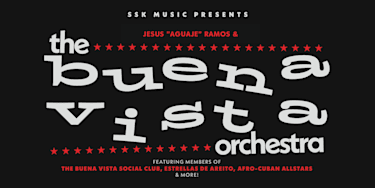
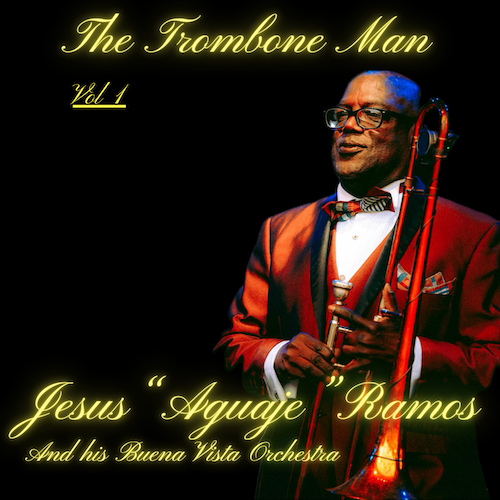
JESUS “AGUAJE” RAMOS & BUENA VISTA ORCHESTRA
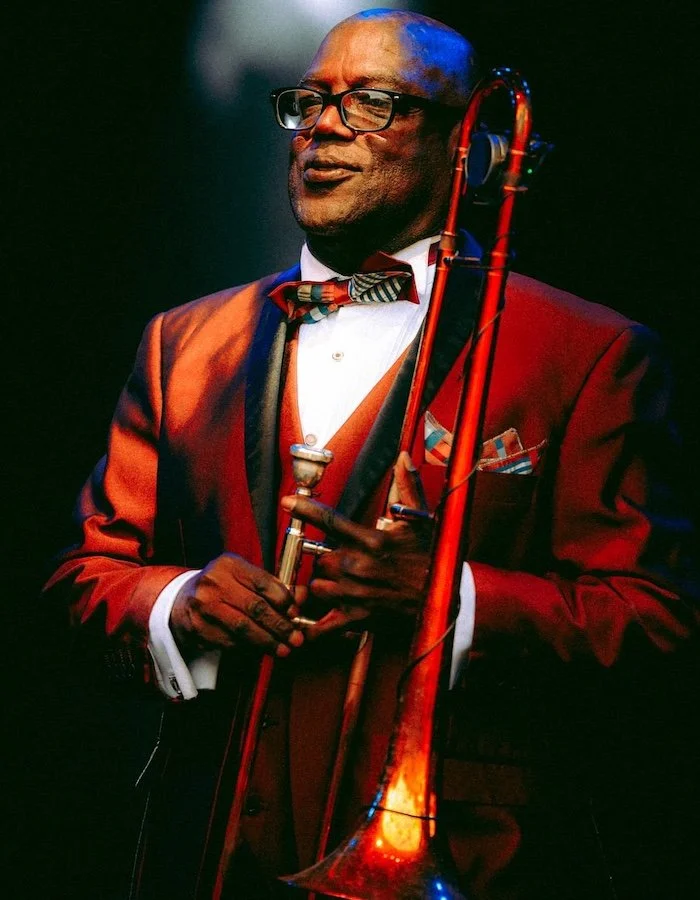
BUENA VISTA ORCHESTRA MEMBERS:
JESUS "AGUAJE" RAMOS - Trombone, Vocals
LORENA RAMOS DIAZ - Trombone, Vocals
GEIDY CHAPMAN - Vocals
YUR ITEJADA RODRIGUEZ - Vocal
AMAURY TAMAYO - Trumpet, Vocals
ANDY ABAD ACOSTA - Piano
FABIAN GARCIA - Bass
ANTONIO RUBIO BORAYO - Timbal, Percussion
LUIS "BETUN" MARIANO VALIENTE MARIN - Congas, Bongo
MAIKEL OCHAO - Tres
JESUS “AGUAJE” RAMOS & HIS BUENA VISTA ORCHESTRA
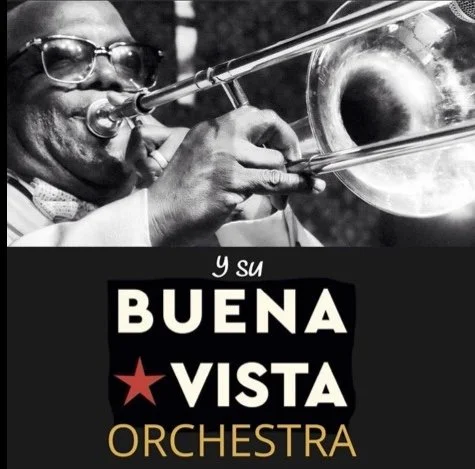
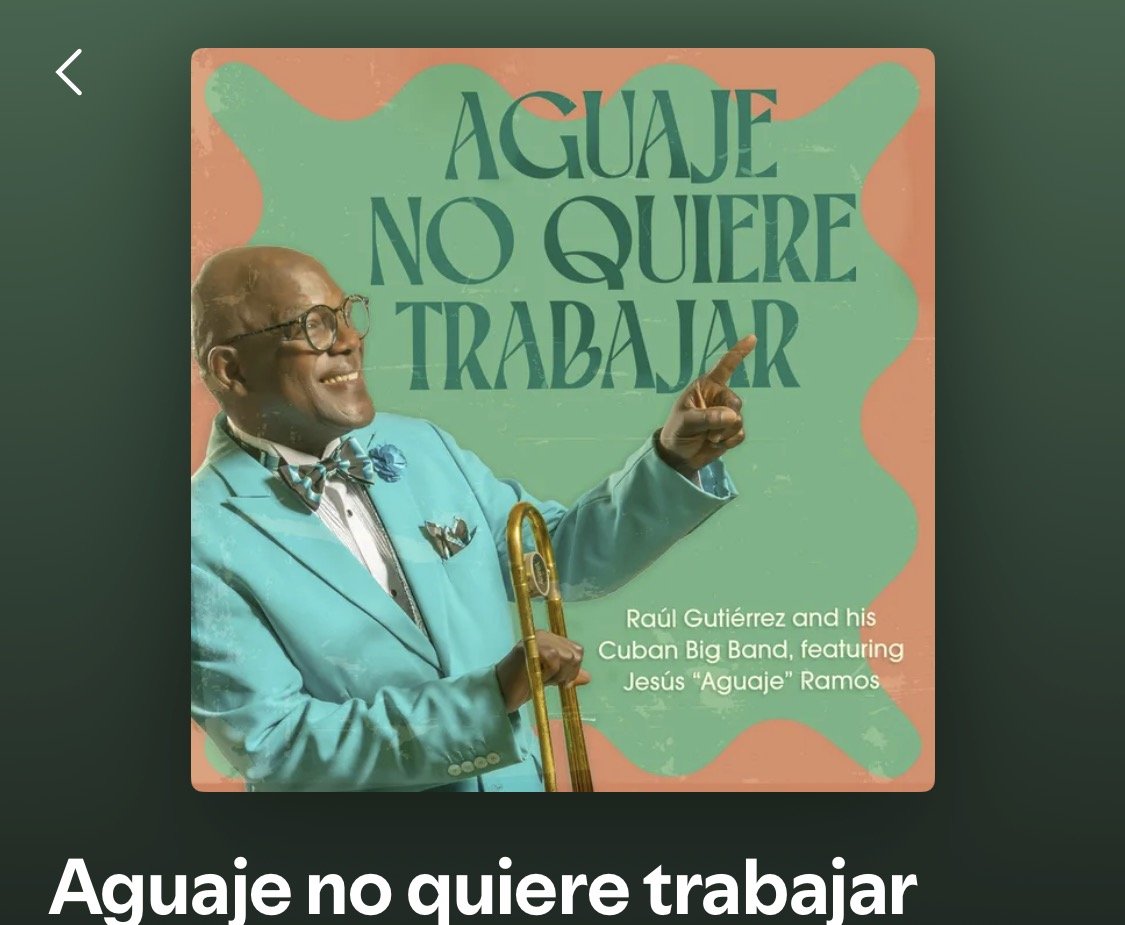
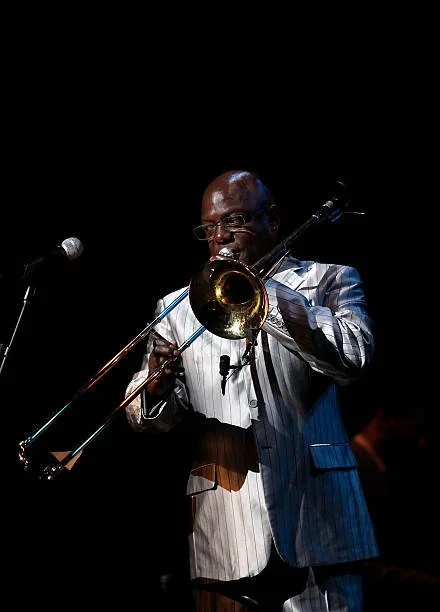
Jesús "Aguaje" Ramos (born 1951) is a Cuban trombonist and musical director. He has been a member of various ensembles, including Estrellas de Areito, Buena Vista Social Club and Afro-Cuban All Stars.
Ramos was born in 1951 in Pinar del Río where he began his musical studies in the National School of Arts. He started playing the trombone in local groups until 1979 when he moved to Havana and began playing with the popular female quartet Las D’Aida.[1] That same year he took part in the Estrellas de Areito recordings.
Ramos has played on the World Circuit recordings of the Buena Vista Social Club and Afro-Cuban All Stars, and the solo albums of Ibrahim Ferrer, Rubén González and Omara Portuondo. He was Rubén González’s musical director and he has been touring extensively since 1997 with the various Buena Vista Social Club projects. Ramos intended to record an album as leader for World Circuit in 2001, but the record was not finished; some tracks from these sessions ("Bodas de Oro", "Guajira en F") were later released on Lost and Found. In 2018, Ramos released two singles under the title "Jesus 'Aguaje' Ramos y su Orquesta Buena Vista", "Massacre" and "Babalú".
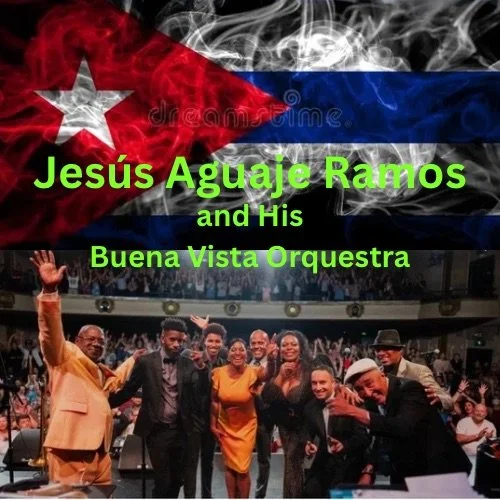
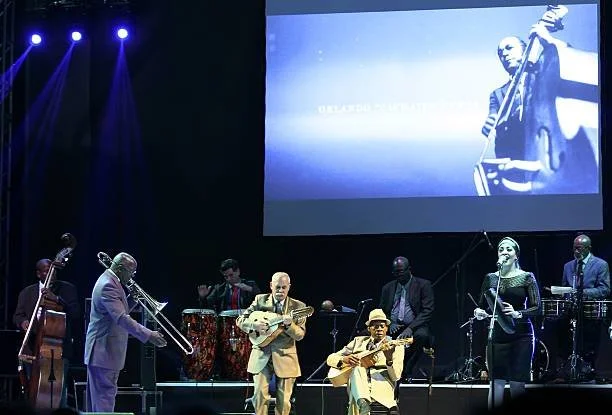
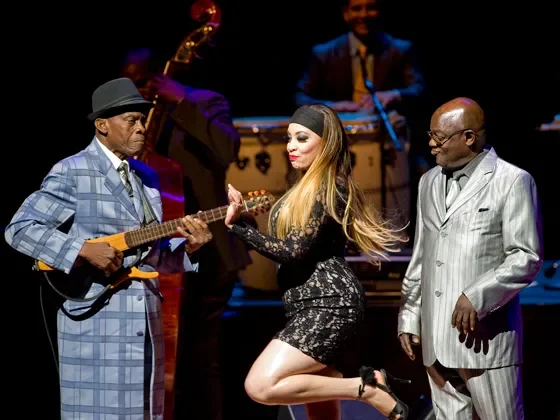
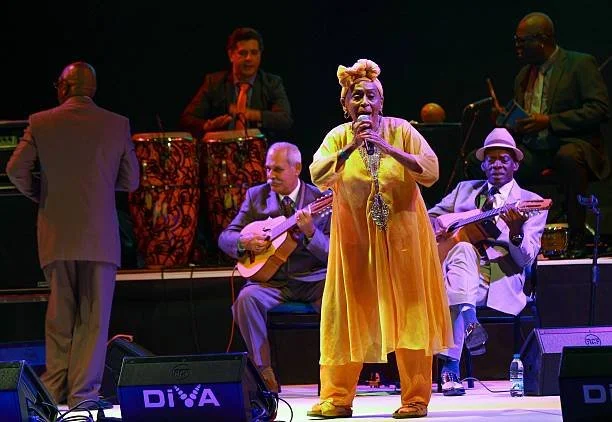
Buena Vista Orchestra, under the direction of famed Cuban trombonist, composer, arranger and musical director, Jesus “Aguaje” Ramos, and featuring key players from throughout the history of The Buena Vista Social Club, continues the legacy of the legendary group with an exciting new stage production and repertoire pulled from the greatest hits (many of which Ramos composed) and deep dive cuts.
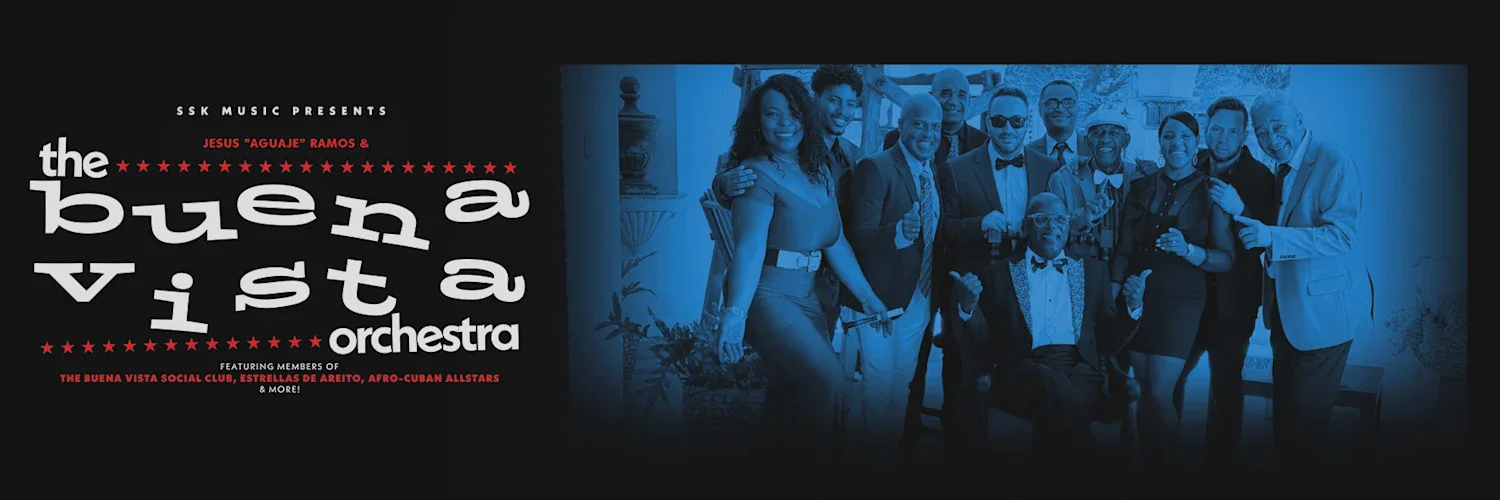



“JESUS RAMOS AND BUENA VISTA SOCIAL CLUB ORCHESTRA”
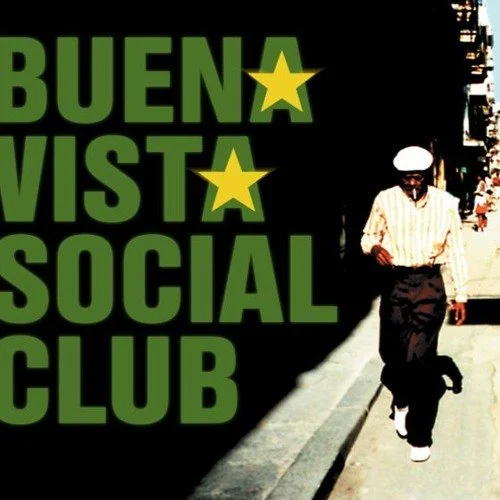
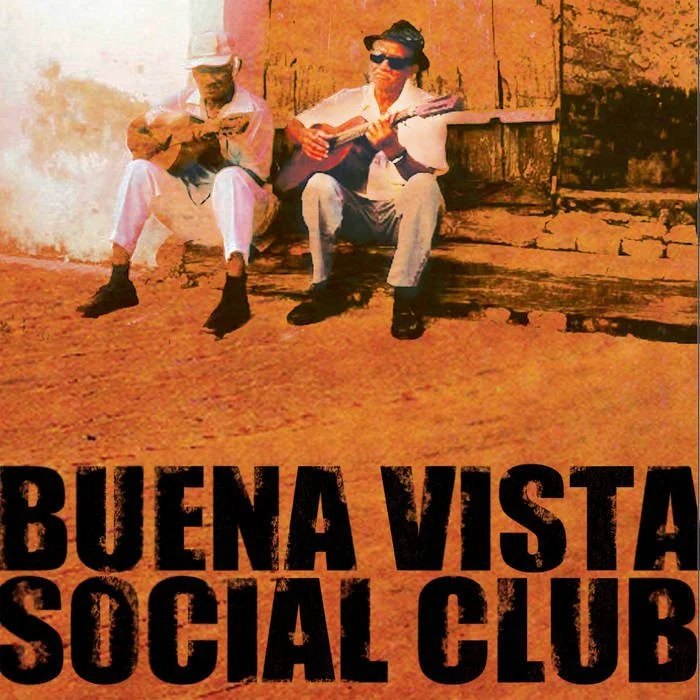
The recording, titled Buena Vista Social Club after the Havana institution, was an international success, and the group performed with its full lineup in Amsterdam, Netherlands, in 1998. German filmmaker Wim Wenders filmed the performance, followed by a second concert at Carnegie Hall in New York City, which became the focus of the documentary that resulted from Wenders' work. The documentary alsoincludes interviews with the musicians conducted in Havana. Wenders' film, also titled Buena Vista Social Club, was critically acclaimed and received an Academy Award nomination for Best Documentary Feature and numerous other awards, including Best Documentary at the European Film Awards. Both the success of the album and the film generated great interest in traditional Cuban music and Latin American music in general throughout the world. Some of the Cuban musicians later released well-received solo albums and recorded others in collaboration with various international music stars from different genres. The name "Buena Vista Social Club" became a term encompassing these types of collaborative performances and releases, as well as being associated with a label that encapsulates the so-called "Golden Age of Cuban Music," between the 1930s and 1950s.
The newfound success was short-lived for most of the group's members: Manuel "Puntillita" Licea, Compay Segundo, Rubén González, Ibrahim Ferrer, and Pío Leyva died a few years later, at ages 73, 95, 84, 78, and 88, respectively; Licea in 2000, Segundo and González in 2003, Ferrer in 2005, and Leyva in 2006.
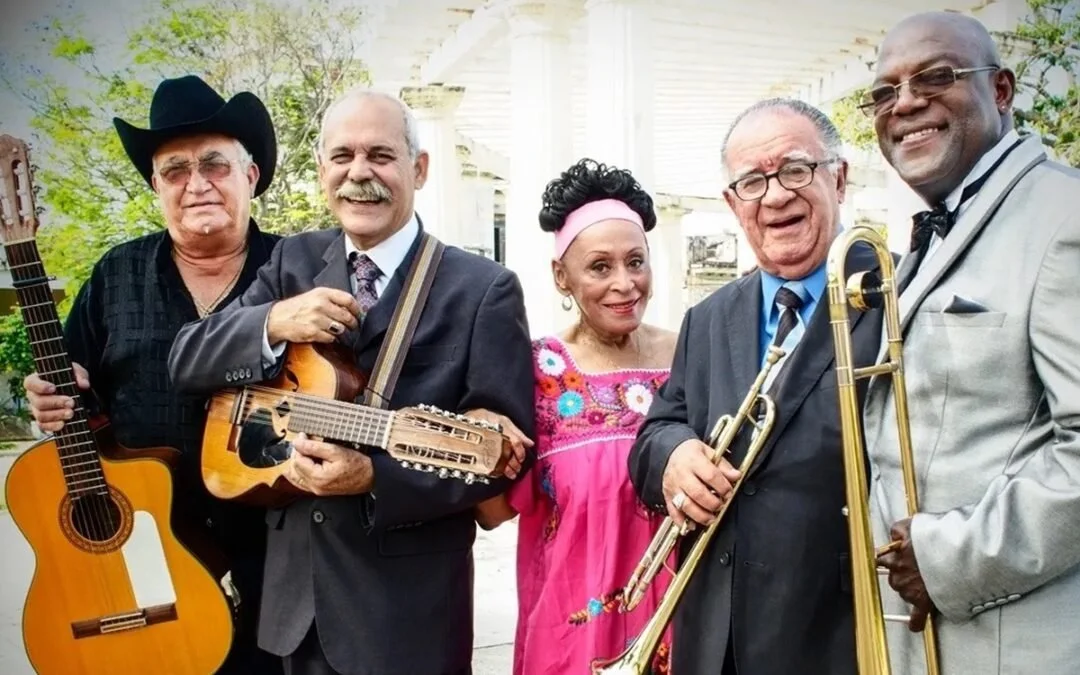
Other key members remain active: Omara Portuondo, Eliades Ochoa, Manuel "Guajiro" Mirabal, Amadito Valdés, Barbarito Torres, Ry Cooder, Joachim Cooder, Juan de Marcos González, and Papi Oviedo. According to Ry Cooder, "Cuban and Caribbean society, and even that of New Orleans, was organized around these social clubs. There were clubs for cigar wrappers, baseball players, and they played cards, practiced sports, and had pets, like dogs. In the case of the Buena Vista Social Club, musicians gathered there, just like in clubs in the U.S. They also had dances and many other activities."Several established musicians played at the club during the 1930s and 1940s, including bassist Cachao López and bandleader Arsenio Rodríguez. Rodríguez's pianist, Rubén González, who played piano on the recordings in the 1990s, and Jesús Aguaje Ramos on trombone, described the 1940s as "an age of real musical life in Cuba, where there wasn't much money to be made, but they played because they eally wanted to. That era saw the birth of the jazz-influenced mambo, charanga, and dance forms such as pachanga and cha-cha-cha, as well as the development of traditional Afro-Cuban musical styles like rumba and son, which was later modified by the use of additional instruments, pioneered by Arsenio Rodríguez, to become son Montuno. Son, described as "the foundation of Cuban music," has transformed much of 20th-century Latin American music. Shortly after the Cuban Revolution of 1959, the new Cuban president, Manuel Urrutia Lleó, began a program of closing or nationalizing gambling dens, nightclubs, and other establishments associated with Havana's hedonistic lifestyle.
This had an immediate impact on those who earned their living in this way. As the Cuban government rapidly moved toward socialism, which increased social control, many social and cultural centers were abolished, including the Afro-Cuban mutual aid societies in 1962, to pave the way for racially integrated societies.
Private festivities were limited to weekend parties, and subsidies for organizations were confiscated. These measures meant the closure of the Buena Vista Social Club.
Although the Cuban government continued to support traditional music after the revolution, it They made concessions to the politically supported Nueva Trova movement and to composers like Silvio Rodríguez. The emergence of popular music and salsa, a style derived from Cuban music (specifically Cuban son) but developed in the United States (especially in New York), meant that son fell out of favor with thehighest Cuban authorities, in the context of a sharp confrontation with the US government, which took extreme punitive measures against the island after the expropriation of Cuban-owned businesses.
The year 1968, the year of the "special measures," was even worse for those involved in popular music. In the words of musician and composer Leonardo Acosta, 1968 was the most disastrous year for Cuban popular music due to measures whose negative effects we still suffer thirty years later... there was the so-called Prohibition Law, which was enforced by opportunistic officials who tried to close the cabarets (already nationalized by the government), including the Tropicana... Bars, small clubs, and other venues were also closed throughout that year Thousands of bars and kiosks. The nightlife, with its music and entertainment, dried up.
Suddenly, 40% of the country's musicians were forced to go home on unemployment benefits... the damage was irreparable, and Havana, famous for its nightlife... would never be the same again. The occurrence of these closures is the simplest explanation for why so many prominent musicians were left without work and why their musical style declined before the Buena Vista experience revived it.
As a result of this situation and the deaths of the members of the original Buena Vista Social Club, maestro Jesús Aguaje Ramos, who had been the director and arranger of the original group, revived and reorganized the orchestra, with its entire original repertoire, calling it the Buena Vista Social Orchestra.
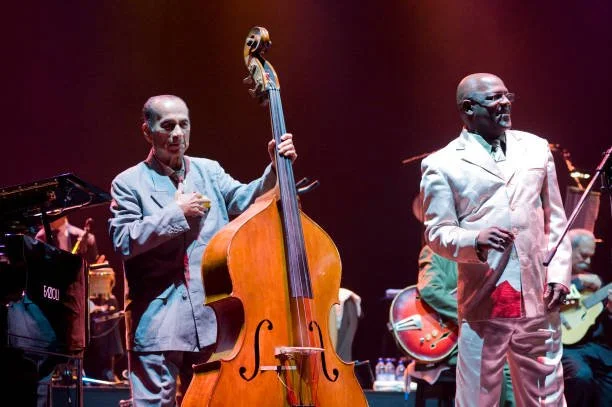
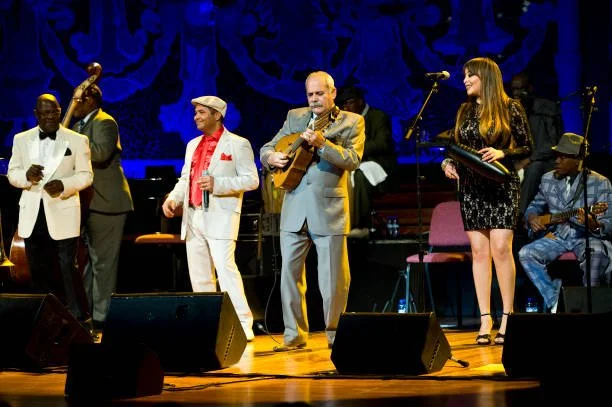
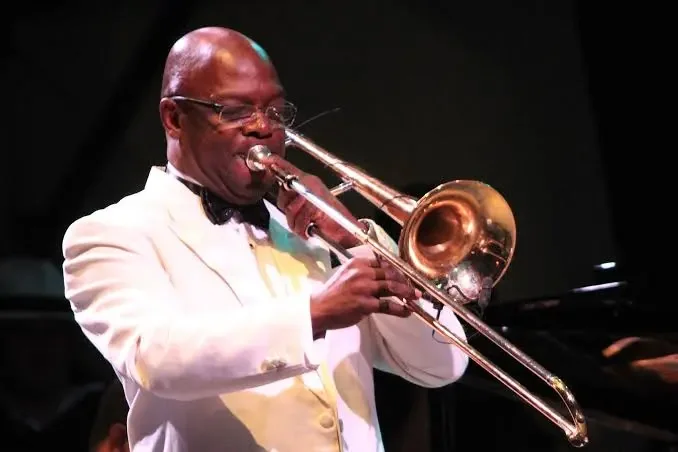
PHOTOS
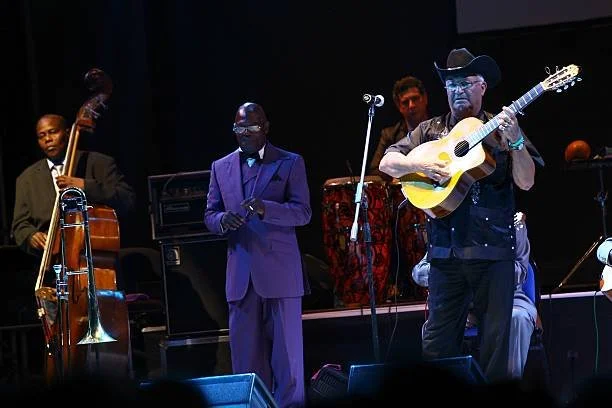
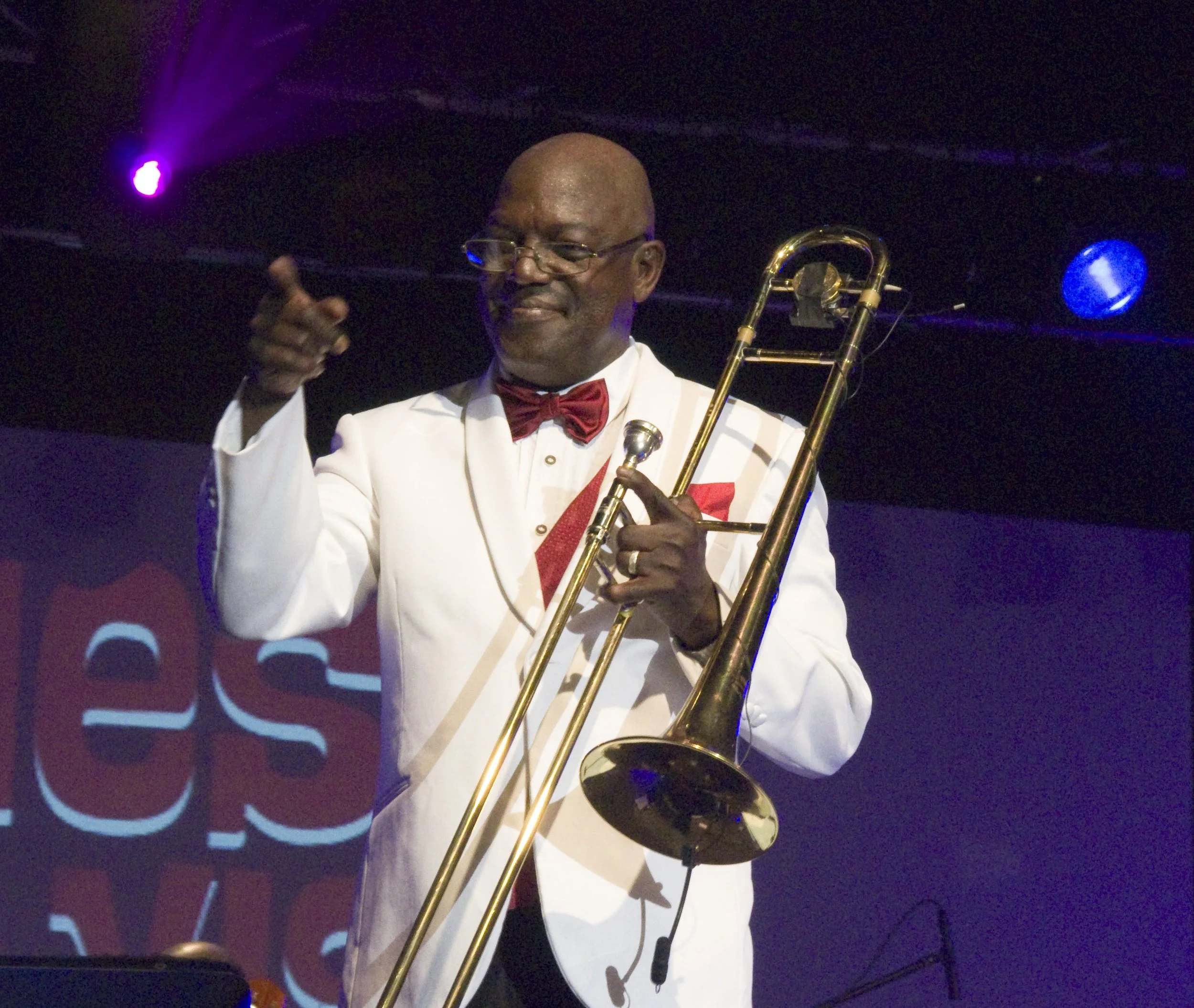
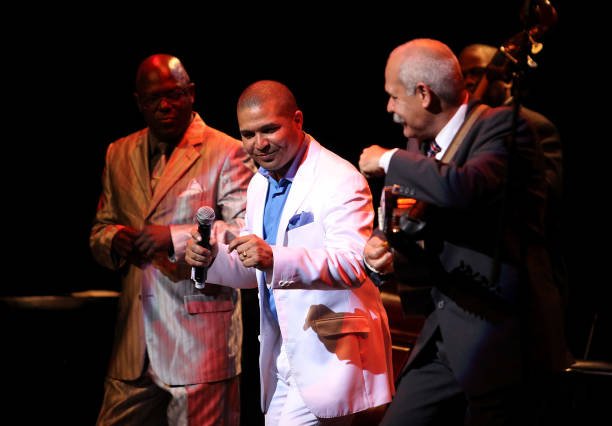
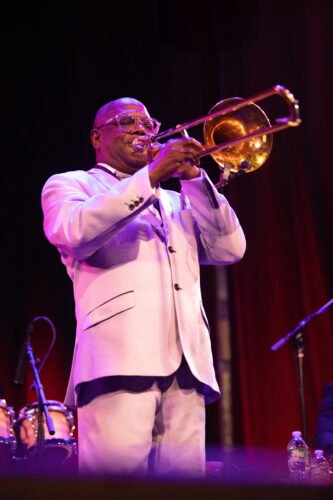



DISCOGRAPHY:
Buena Vista Social Club (September 16, 1997). World Circuit / Nonesuch Records.
Buena Vista Social Club at Carnegie Hall (October 14, 2008). World Circuit / Nonesuch Records.
Lost and Found (March 25, 2015). World Circuit / Nonesuch Records.
Buena Vista Social Orchestra 2017 Premiere of the documentary Aguaje and its Buena Vista Social Orchestra
The Buena Vista Orchestra - (2025) TMJ PRODUCTION- Miami.


VIDEO’S
© 2019 TMJ PRODUCTION INC. Entertainment. All rights reserved.